Ground Penetrating Radar (GPR) Surveys

Gain subsurface insights safely and efficiently with our advanced GPR surveys, revealing hidden utilities, voids and archaeological features to help you make informed decisions.

A ground penetrating radar being used on a concrete surface.

What is a Ground Penetrating Radar (GPR) survey?

Ground Penetrating Radar (GPR) surveys are non-destructive radar imaging tools that produce accurate subsurface data without the need for digging or drilling.

Engineers send high-frequency radio waves into the ground or structure, which reflect when they hit objects or materials with certain properties. This allows surveyors to gain knowledge about subsurface conditions and determine how this will affect a project going forward.

Safe surveying

Due to the use of non-invasive radio waves, GPR is a completely safe surveying technique for public spaces or occupied buildings. These radio waves are also completely harmless, posing no radiation hazard to on-site workers.

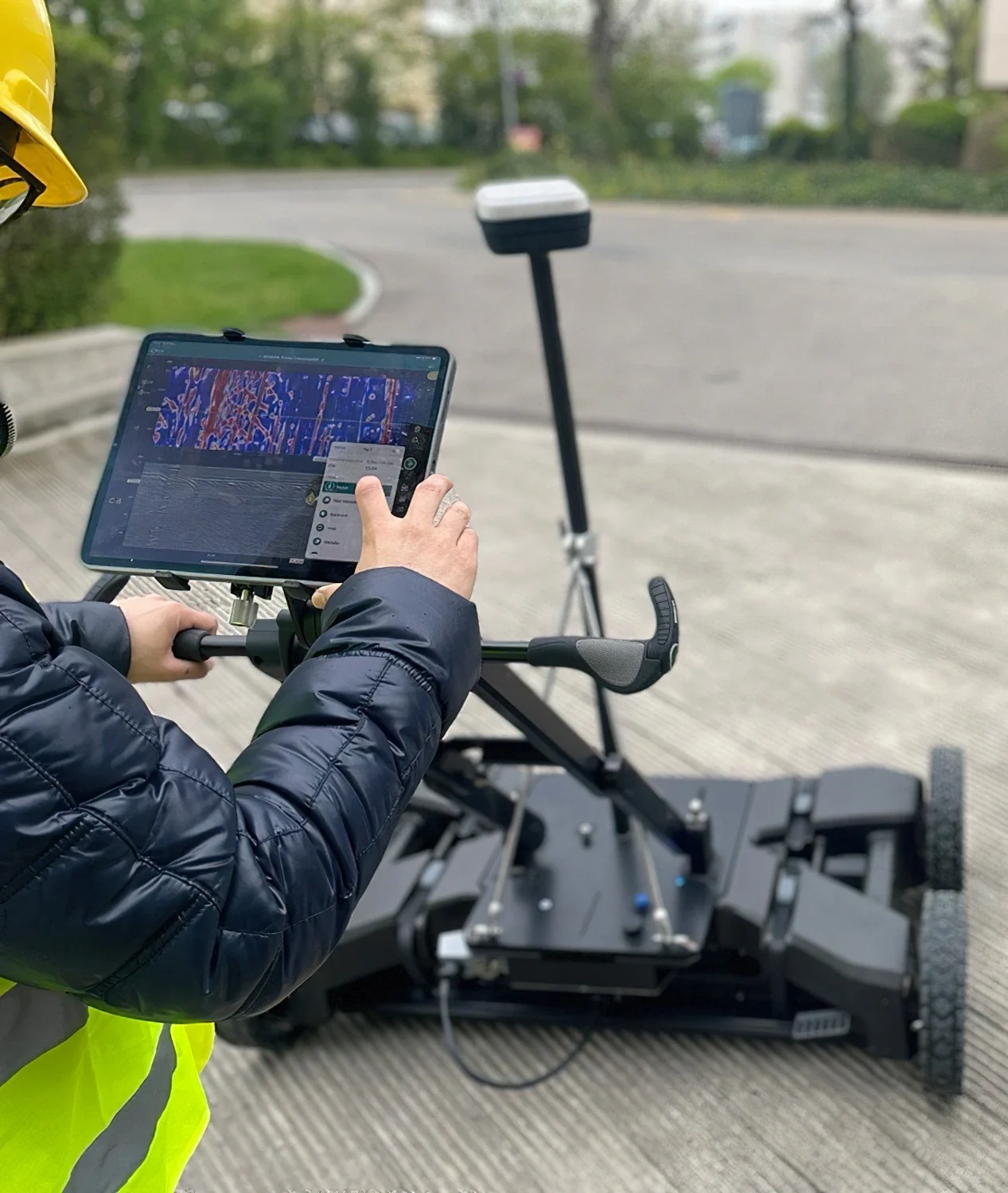
Ground penetrating radar screen.

What is GPR used for?

GPR is used to identify qualities of the ground underneath a work site or hidden features of a structure. It can discover:

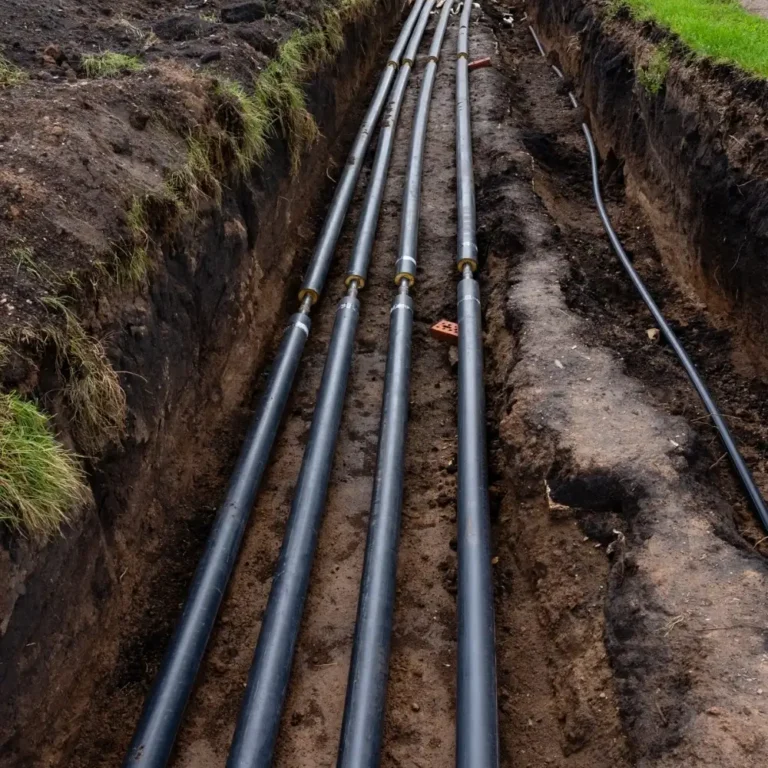
  • Utilities like water pipes or fiber-optic ducts.
  • Sinkholes and cavities
  • Structural integrity
  • Archaeological anomalies
  • Environmental concerns

What data does GPR deliver about these features?

GPR gathers a range of data for specialist interpretation, including raw radagrams, 2D depth profiles, 3D subsurface models, CAD & GIS layers, and BIM integration.


What do GPR surveys provide?

This data gives Project Managers complete clarity before starting a major project that plans can go ahead safely. It can even improve efficiency by assuring Site Leads that it’s safe to speed up phases of a project, saving time and resources.

Being able to prevent major utility strikes or structural catastrophes before work begins improves company reputation and assists in being relied upon for more projects down the line. This kind of verification also provides legal satisfaction and ensures that moving forward, your project is completely compliant.


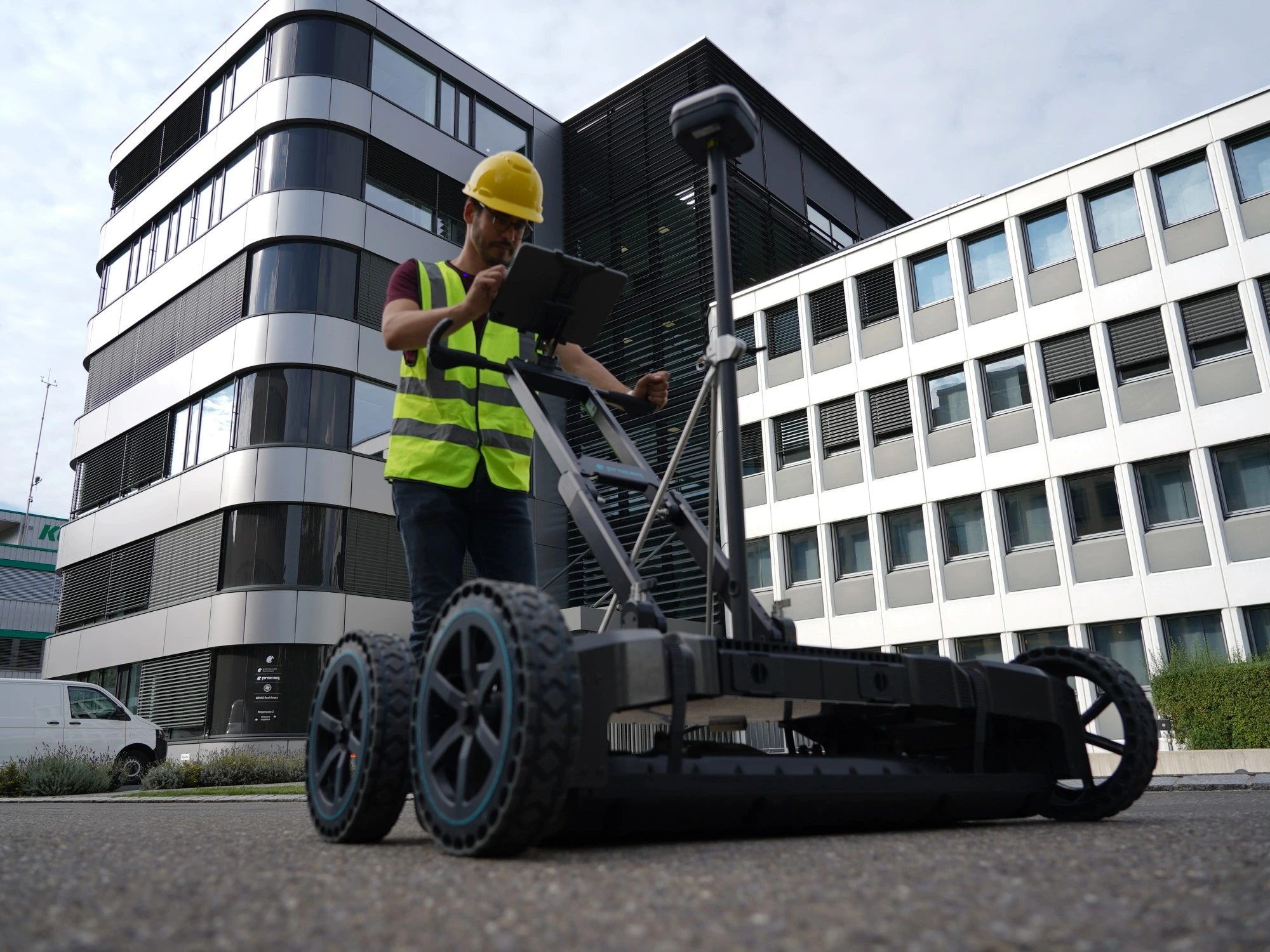
A surveyor pushing GPR survey scanner along a grey concrete path with a tall building in the background.

What sectors do GPR surveys support best?

The sectors that we support with GPR surveys the most are:

Construction

We use GPR surveys to map rebar and post-tension cables. This prevents utility strikes before machinery starts breaking ground.

Environment

Before environmental projects, we scan for hidden voids, sinkholes, and soil subsidence, as well as mapping bedrock levels or locating buried hazards.

Heritage

The non-invasive nature of GPR surveys is crucial to the success of heritage projects. By successfully scanning a heritage site or structure without having to use destructive methods, projects can be properly surveyed for ancient foundations, crypts, or graves without disturbing protected landmarks.

Innovative surveying solutions

Your trusted partner for accurate spatial measurement and analysis across a wide range of applications, from land-boundary surveys to structural-health assessments.

View all services

Showcasing our expertise

Discover our most recent land surveying projects. These case-studies demonstrate precise, efficient solutions to complex challenges.

Trusted by industry partners

WSP
Jacobs
ESH Group
Northumbrian Water Living Water
Stantec
Bowmer Kirkland
Environment Agency
Royal Haskoning DHV
NHS
Atkins Realis
WSP
Jacobs
ESH Group
Northumbrian Water Living Water
Stantec
Bowmer Kirkland
Environment Agency
Royal Haskoning DHV
NHS
Atkins Realis
ISO 9001 Certification.
ISO 14001 certification.
ISO 45001 Certification.
SSIP
The Survey Association
Move Solutions
Chartered ICES logo
Construction gold member
SafeContractor Approved